Jan 4, 2026
Additive manufacturing
3D printing revolutionizing product development
Additive manufacturing speeds up prototyping and customization. It cuts material waste and shortens production cycles. Manufacturers gain flexibility to meet unique customer needs.
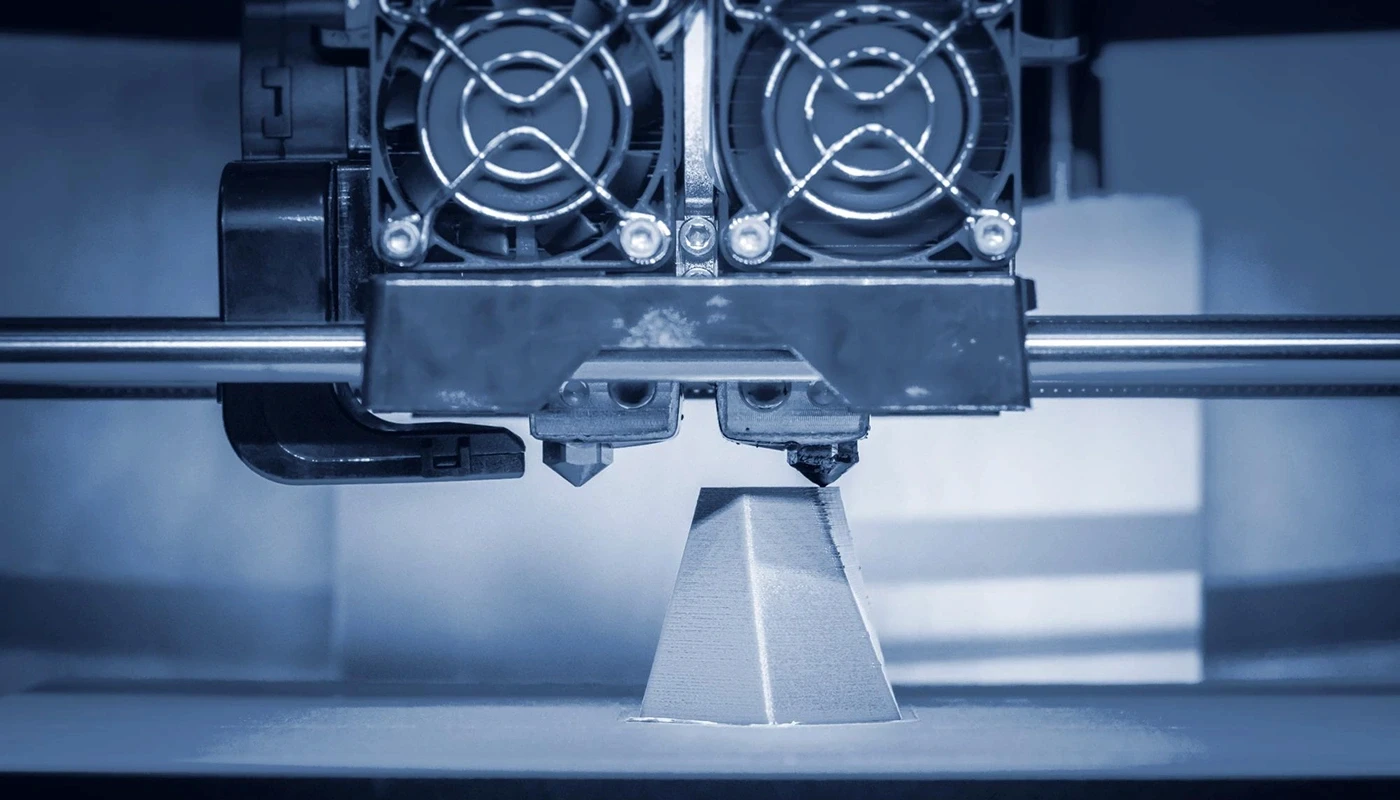
3D printing, also known as additive manufacturing, is transforming product development by enabling rapid prototyping, complex geometries, and customized production. Unlike traditional manufacturing methods, 3D printing builds objects layer by layer, reducing material waste and production time. This technology allows designers and engineers to iterate quickly, test new concepts, and bring innovative products to market faster than ever before. By integrating 3D printing into manufacturing processes, companies can improve efficiency.
Rapid prototyping
Design flexibility
Reduced material waste
Cost efficiency
3D printing is reshaping the way products are designed, tested, and manufactured. By enabling greater flexibility, efficiency, and innovation, it allows companies to respond to market needs quickly and deliver high-quality customized solutions. As technology continues to advance, 3D printing will remain a cornerstone of modern product development, fostering creativity and sustainable manufacturing practices.
3D printing allows designers and engineers to create complex and highly customized products that would be difficult or impossible to produce using traditional manufacturing techniques. This capability fosters creativity, innovation, and rapid experimentation during the product development process.
“3D printing is revolutionizing product development by turning imagination into reality faster and more efficiently than ever before. It empowers designers and engineers to create complex, customized, and innovative products while reducing waste, lowering costs, and accelerating time-to-market.”
By integrating 3D printing into product development, companies gain flexibility and adaptability to respond to changing consumer demands, produce small batch or customized products, and explore new design possibilities. This approach enhances competitiveness while supporting sustainable manufacturing practices through reduced resource consumption.
Insights & Article